
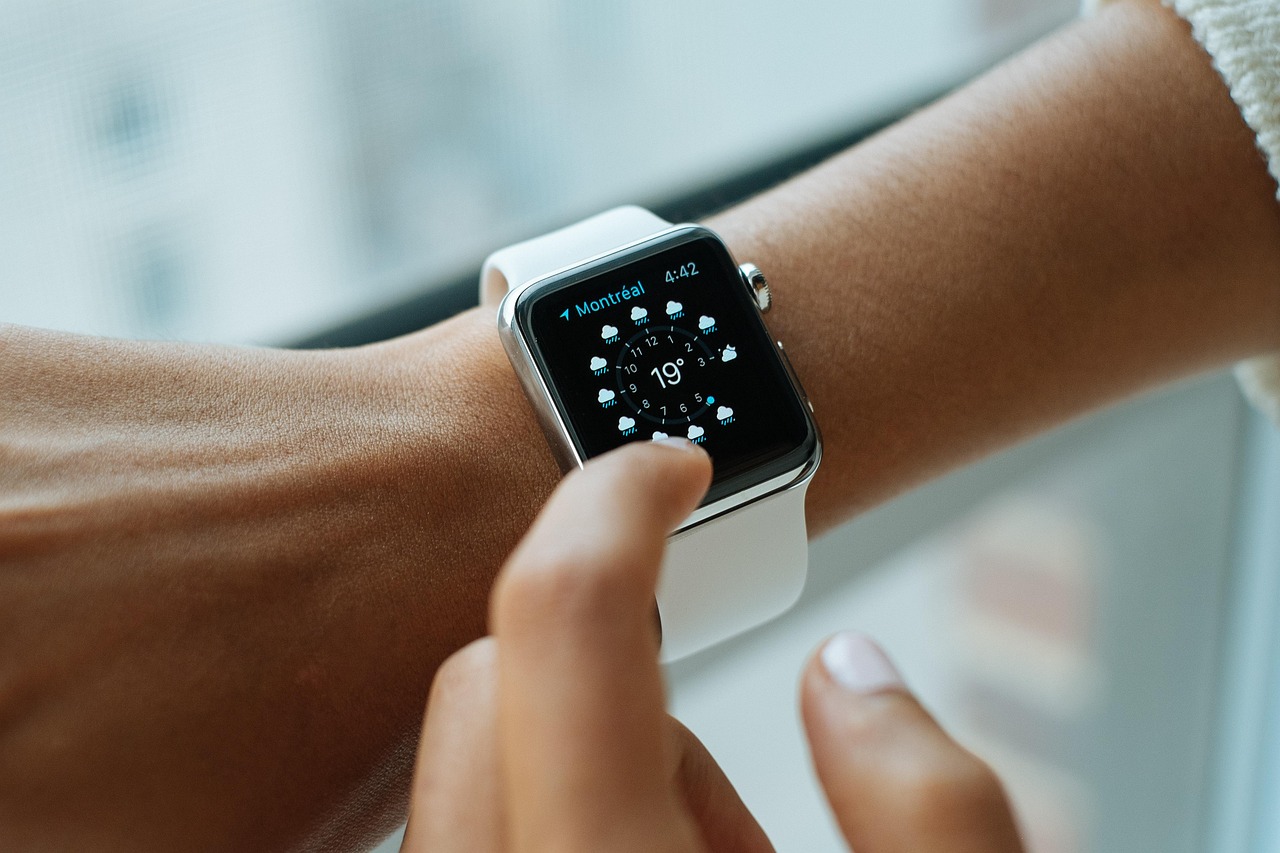
Digital detox apps have become essential tools for anyone looking to regain control over their screen time in 2026. As smartphones and tablets integrate deeper into work and leisure, these apps help users set boundaries, track usage, and build healthier digital habits without abandoning technology altogether.
Why Digital Detox Apps Matter in 2026
The average person spends several hours a day on mobile devices, and research links excessive screen time to reduced focus, disrupted sleep, and increased stress. Digital detox apps address these issues by providing visibility into usage patterns and offering controls that encourage intentional device use. They are especially valuable for students, professionals, and parents who need to balance productivity with wellbeing.
Key Features to Look for in Digital Detox Apps
When comparing options, focus on the capabilities that match your goals. The following features are commonly found in leading solutions.
Usage Tracking and Reports
Detailed dashboards show daily and weekly screen time, app-by-app breakdowns, and trend lines. Some apps export data for personal analysis.
Customizable Limits and Schedules
Users can set daily limits for specific apps or categories, schedule downtime periods, and receive notifications when thresholds are approached.
Focus Modes and Blocklists
Focus modes temporarily block distracting apps or notifications while allowing essential functions like calls or messaging.
Cross-Platform Sync
Apps that sync settings across iOS, Android, and desktop provide a consistent experience regardless of device.
Data Privacy Controls
Look for clear privacy policies, local-only data storage options, and the ability to delete usage history on demand.
Top Categories of Digital Detox Apps
Digital detox tools generally fall into three groups, each with distinct strengths.
Native OS Tools
Apple’s Screen Time and Google’s Digital Wellbeing are built into the operating system. They require no extra installation, offer basic limits, downtime scheduling, and parental controls, and respect system-level privacy frameworks.
Third-Party Focus Apps
Apps such as Forest, Freedom, and Offtime add advanced blocking, cross-device synchronization, and detailed analytics. They often use a subscription model for premium features.
Habit-Building and Gamified Apps
Apps like Space and Flora turn reduced screen time into a game, rewarding users with virtual trees or streaks. These can increase motivation for long-term behavior change.
How We Evaluate Apps
Our evaluation framework relies on publicly documented criteria rather than hands-on testing. We assess each app on the following dimensions: feature completeness (tracking, limits, focus modes), ease of setup and daily use, transparency of privacy practices, business model clarity (free, freemium, subscription), and cross-platform availability. Information is sourced from official developer sites, app store listings, and reputable third-party reviews.
Privacy and Security Considerations
Because digital detox apps monitor app usage, they handle sensitive behavioral data. Prefer apps that store data locally or encrypt data in transit and at rest. Verify that the developer publishes a privacy policy describing data collection, retention, and deletion procedures. For more on how long apps keep your data, see our guide on app data retention policies.
Pricing Overview
Most native tools are free. Third-party apps typically offer a free tier with basic tracking and a paid tier (monthly or annual) unlocking unlimited blocks, advanced reports, and cross-device sync. Prices generally range from a few dollars per month to around $30-$40 per year, but exact figures vary by region and promotional periods.
Choosing the Right App for Your Needs
Start by defining your primary goal: simple awareness, strict enforcement, or habit formation. If you prefer zero setup, native OS tools are sufficient. For stricter control across multiple devices, a subscription-based focus app may be worth the cost. Gamified apps suit users who respond well to visual rewards. Always review the privacy policy before granting usage-access permissions.
Related AppReview Articles
- app data retention policies
- productivity apps for students
- essential apps for college students
- AI note-taking apps
Useful Sources
Conclusion
Digital detox apps provide a practical pathway to healthier screen habits in 2026. By understanding the feature landscape, privacy implications, and pricing models, you can select a solution that fits your lifestyle without sacrificing the benefits of modern technology. Explore related productivity resources such as productivity apps for students or essential apps for college students to build a comprehensive digital wellbeing toolkit.
Pingback: Best Fitness Apps 2026: Top Picks for Health and Workouts
Pingback: Best Habit Tracking Apps 2026: AI-Powered Coaching
Pingback: Best Meditation Apps for Mindfulness and Stress Relief in 2026
Pingback: Top Parental Control Apps for Managing Kids' Screen Time 2026