How we put this guide together: This is a comparison guide, not a hands-on test of every app. It is based on each app’s official store listing, website and privacy policy. Features and prices change often, so check the store listing before you pay.
By AppReview Team · Last reviewed: 19 Nov 2026 · How we review apps
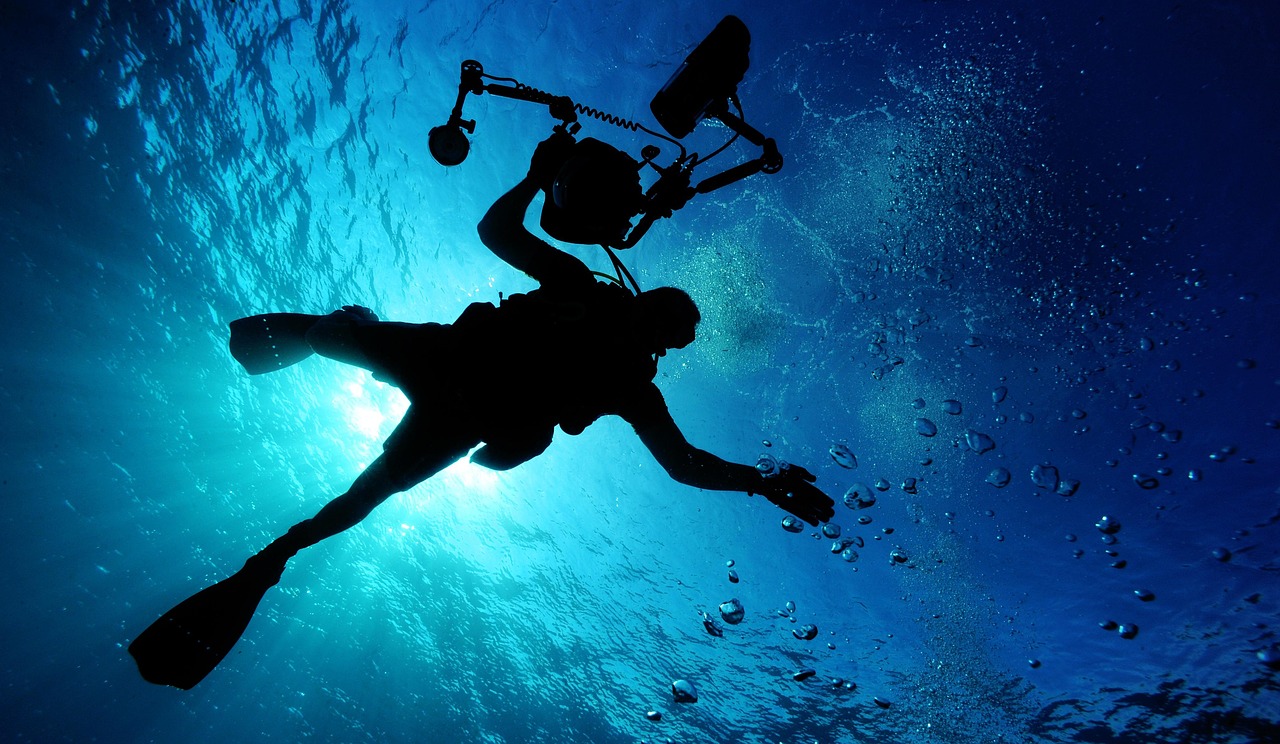
Scuba diving apps have become essential tools for recreational and technical divers who want to log dives, plan bottom times, and store certifications on their phones. Whether you are logging your first open-water dive or managing complex gas mixes, the right mobile app can simplify record-keeping and dive preparation. This guide covers the best scuba diving apps for mobile in 2026, focusing on real apps available for iOS and Android.
Key Features to Look for in Scuba Diving Apps
A good diving app should make it easy to record essential details such as date, dive site, maximum depth, bottom time, tank pressure, gas mix, water temperature, and visibility. Many divers also want dive planning tools for no-decompression limits, surface intervals, and gas planning. Other useful features include dive computer synchronization, offline access on boats or remote sites, digital certification storage, and export options for logbooks. Usability matters because most logging happens before or after a dive, not underwater. Beginners may prefer apps linked to their training agency, while technical divers often need more detailed analytics. Privacy is another consideration, since dive logs can reveal location and personal health information.
Top Scuba Diving Apps for Mobile in 2026
The apps below are real mobile applications distributed through the Apple App Store or Google Play. They serve different needs, from agency-specific training and logging to independent dive logs and dive computer synchronization.
PADI App
The PADI App is the official mobile application from the Professional Association of Diving Instructors. It lets users log dives, view digital certification cards, access PADI eLearning materials, and locate dive shops and resorts. Available for iOS and Android, it is well suited for new divers and continuing-education students within the PADI system. The built-in logbook is functional but simpler than dedicated third-party log apps. Some advanced features are tied to separate PADI courses or tools. PADI collects personal and training data, so users should review its privacy policy before syncing. The app is free to download, while individual courses and eLearning products are sold separately; check the App Store or Google Play for current pricing.
MySSI
MySSI is Scuba Schools International’s official mobile app. It provides digital certification cards, a personal dive log, a dive center locator, and training resources for SSI students and certified divers. Available for iOS and Android, it works best for divers already enrolled in the SSI ecosystem. The interface is straightforward, though divers who train with multiple agencies may still want a separate universal logbook. SSI stores training and dive data on its servers, so reviewing permissions and privacy settings is recommended. The app is free to download, and paid training modules may apply depending on the course.
Dive Log
Dive Log is a dedicated dive logbook application for iPhone and iPad. It supports manual dive entry, dive profiles, tank and gas tracking, site lists, and export functions for sharing or backing up logs. This app is suitable for recreational divers who want a private logbook not tied to a specific training agency. Availability is for iOS; Android users should check the Play Store for an equivalent official release. Manual entry can take time after several dives, and the app does not replace formal dive planning training. Data generally remains on the device unless you choose to export or sync it, but you should still review backup options and the developer’s privacy policy. Pricing is set by the developer; check the App Store for the current price.
Dive Mate
Dive Mate is an iOS dive log and planning app with support for multiple dive computers, dive statistics, and customizable fields. It includes planning tools for no-decompression limits and surface intervals, making it a strong option for divers who want detailed analytics alongside their logbook. The app is available for iOS. New users may face a learning curve, and its planning features do not replace certified dive training. Dive data can be stored locally or exported, but users should review app permissions and backup practices. Pricing is determined by the developer; check the App Store for the current price.
Shearwater Cloud
Shearwater Cloud is the companion mobile app for Shearwater dive computers. It allows divers to sync dive logs from compatible Shearwater devices, view dive profiles, and manage certain device settings. Available for iOS and Android, it is ideal for divers who own Shearwater hardware and want their logs on their phone. It is primarily useful for Shearwater computer owners and is not a full standalone manual logbook for divers using other brands. Device and dive data sync between the phone and computer, so reviewing Shearwater’s privacy terms is advised. The app is free to download, while the dive computers themselves are sold separately.
How We Evaluate Apps
Our evaluation focuses exclusively on mobile apps distributed through the Apple App Store and Google Play. We look at relevance to scuba diving, platform availability, feature depth, ease of use, pricing transparency, and privacy practices. We do not claim to have personally tested any of the apps mentioned in this guide. All information is based on publicly available app store listings and developer documentation. Readers should verify current features, device compatibility, and pricing before downloading.
Privacy and Security Tips for Diving Apps
Dive apps may collect location data tied to specific dive sites, along with depth, time, and other health-related details. To protect your information, read the app’s privacy policy before creating an account, disable location sharing if it is not necessary, avoid uploading sensitive medical data, and use strong, unique passwords. Back up your dive log regularly and be cautious when logging into diving accounts over public Wi-Fi at dive shops or resorts.
Complementary Tools for Divers
Divers traveling to remote sites often benefit from offline map apps, language translation apps, and budget travel apps for trip planning. Fitness apps can also support general dive readiness. These tools work alongside a dedicated dive log but serve different purposes.
Related AppReview Articles
- Best Astronomy Apps for Stargazing and Learning Constellations in 2026
- offline map apps for remote dive travel
- language translation apps for traveling divers
- mobile VPN apps for secure public Wi-Fi
- fitness apps for dive readiness
- app data retention and deletion policies
Useful Sources
Conclusion
Choosing the best scuba diving app depends on your training agency, dive computer, and whether you want a simple logbook or advanced planning features. PADI App and MySSI are natural choices for divers within those training systems, while Dive Log and Dive Mate offer independent logbook options for iOS users. Shearwater Cloud is the practical companion for Shearwater dive computer owners. Always confirm availability and pricing on the App Store or Google Play, and remember that no app replaces proper dive training and safety protocols.