

Introduction:
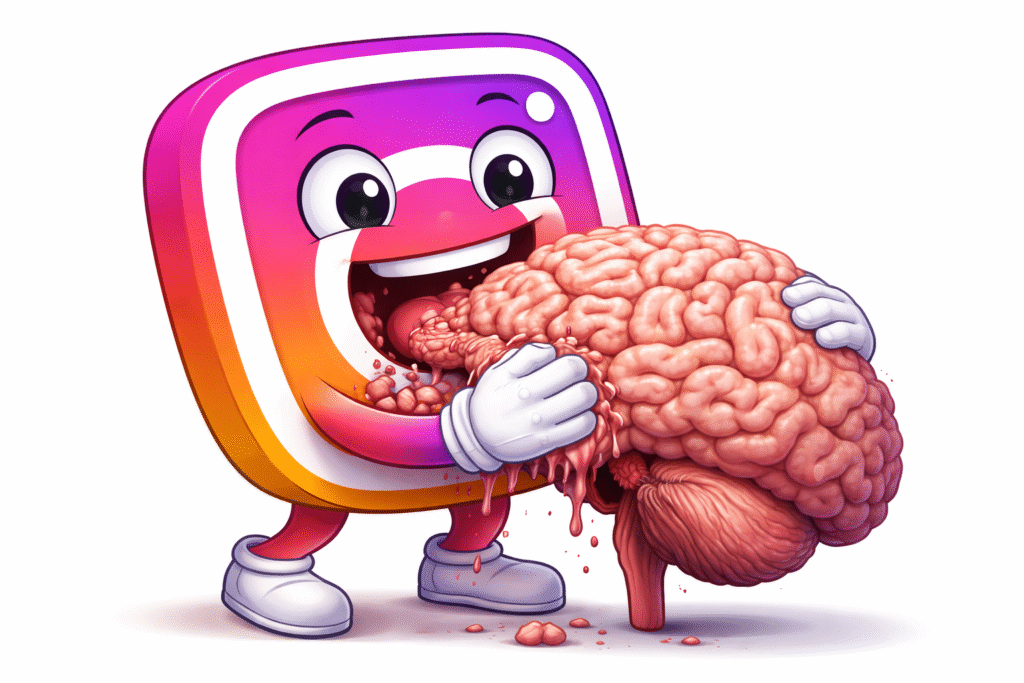
The Negative Impact of Instagram on Children
In today’s digital world, social media has become a major part of daily life, especially for children and teenagers. Among all platforms, Instagram is one of the most popular. While it provides entertainment, creativity, and social connection, growing research suggests that excessive Instagram use may negatively affect children’s mental health, focus, and overall development.
Children’s brains are still developing, and constant exposure to short videos, endless scrolling, and social comparison can reduce their ability to concentrate for long periods. Many experts believe that too much screen time may lead to distraction, anxiety, low self-esteem, sleep problems, and reduced academic performance. Because of this, an important question arises:
Is Instagram slowly eating our brain and attention?
Attention Span Data
| Age Group | Average Daily Instagram Use | Possible Attention Impact |
|---|---|---|
| Children (10–17 yrs) | 30–60 minutes | Higher distraction, reduced focus on studies |
| Young Adults (18–24 yrs) | ~50+ minutes | Shortened sustained attention, multitasking habit |
| Adults (25–40 yrs) | ~30–40 minutes | Mild distraction, productivity loss |
| 40+ Age | ~20–30 minutes | Lower impact compared to younger users |
Note: Data based on global social media usage reports and psychological research trends.
Risks for Children and Adults
1. Mental Health Problems
- Increased anxiety, stress, and comparison with others
- Fear of missing out (FOMO)
- Low self-confidence due to unrealistic online lifestyles
2. Reduced Attention and Productivity
- Habit of quick scrolling weakens deep focus
- Difficulty in reading long texts or studying for hours
- More procrastination in both students and working adults
3. Sleep Disturbance
- Night-time scrolling delays sleep
- Blue light exposure affects brain relaxation
- Poor sleep leads to low energy and weak memory
4. Social and Emotional Effects
- Less real-life communication
- Dependency on likes and comments for happiness
- Emotional mood swings from online feedback
How to Protect Ourselves from These Effects
1. Set Daily Screen-Time Limits
Limit Instagram use to 20–30 minutes per day, especially for children.
2. No Phone Before Sleep
Avoid Instagram at least 1 hour before bedtime to improve sleep quality.
3. Practice Deep-Focus Activities
Encourage:
- Reading books
- Outdoor games
- Meditation or quiet study time
These activities strengthen real attention span.
4. Follow Positive and Educational Content
Use Instagram for:
- Learning
- Creativity
- Skill development
Instead of endless entertainment scrolling.
5. Parental Guidance for Children
Parents should:
- Monitor screen time
- Talk openly about social media pressure
- Encourage offline hobbies and friendships
Conclusion-Like Thought (Soft Ending Without Formal Conclusion)
Instagram itself is not completely harmful, but excessive and uncontrolled use can slowly affect our attention, emotions, and mental health—especially in children. The real danger is not the app, but how much time and importance we give to it.
With balanced usage, awareness, and healthy habits, we can enjoy technology without letting it control our brain.